


News Center
News Center


256×192 vs 384×288 vs 640×512 Thermal Imaging: Understanding Resolution Differences
2026-09-29 09:56:02
Why Thermal Resolution Matters
When purchasing a thermal imaging device, detector resolution is usually one of the first specifications to appear on a product comparison sheet. Ferolix products include configurations based on 256×192, 384×288 and 640×512 thermal detectors.
These numbers describe the horizontal and vertical pixel count of the detector. A 256×192 detector contains fewer pixels than a 384×288 detector, while 640×512 provides substantially more pixels for image formation.
For B2B buyers, however, comparing these specifications requires more than choosing the largest number.
256×192 Thermal Imaging
The 256×192 configuration is a compact thermal imaging option. It is included in the FX2 and FS2 configurations.
A lower detector resolution can be appropriate for compact products where size, power consumption and product positioning are important factors. The FX Series is designed as a lightweight handheld infrared monocular, with total weight specified at no more than 400g including the battery.
This type of configuration can be attractive for portable observation products where the manufacturer wants to balance thermal imaging capability with compact dimensions.
384×288 Thermal Imaging
The 384×288 configuration provides a higher pixel count than 256×192. In the Ferolix FX3 and FS3 models, the detector uses a 384×288 resolution and 12μm pixel pitch.
For distributors, the 384×288 segment can occupy a useful position between entry-level and higher-resolution thermal products. It allows product portfolios to offer different specifications without changing the entire product concept.
640×512 Thermal Imaging
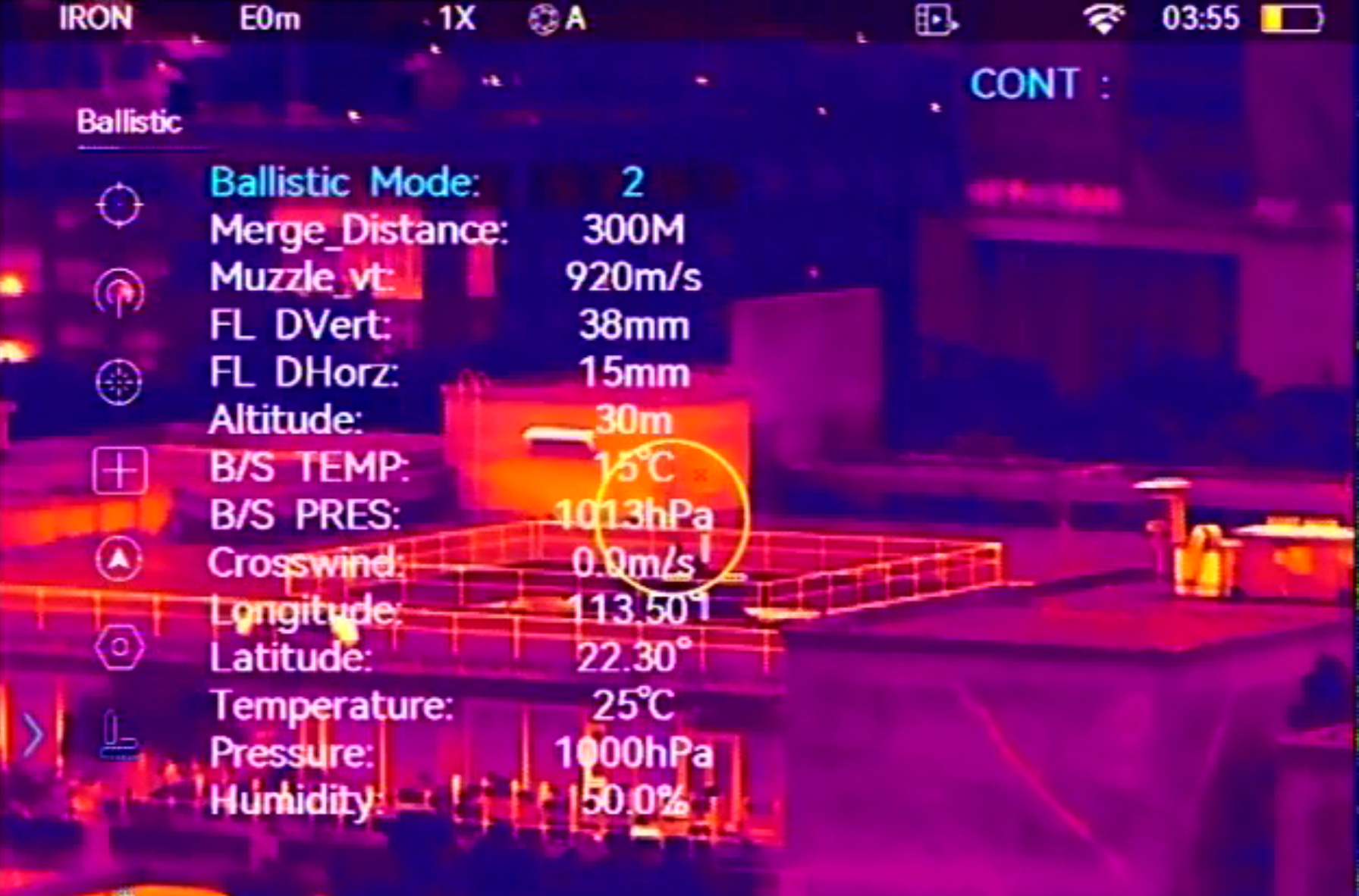
640×512 represents the highest thermal detector resolution available in the FX and FS series.
The FS6 uses a 640×512 VOx uncooled microbolometer with a 12μm pitch. More advanced products such as the FP68-U, FP7-U and FP8-U also use 640×512 thermal imaging configurations.
Higher resolution can be especially relevant when the application requires more image information or when the product is designed around longer-range observation.
Resolution Is Not the Only Factor
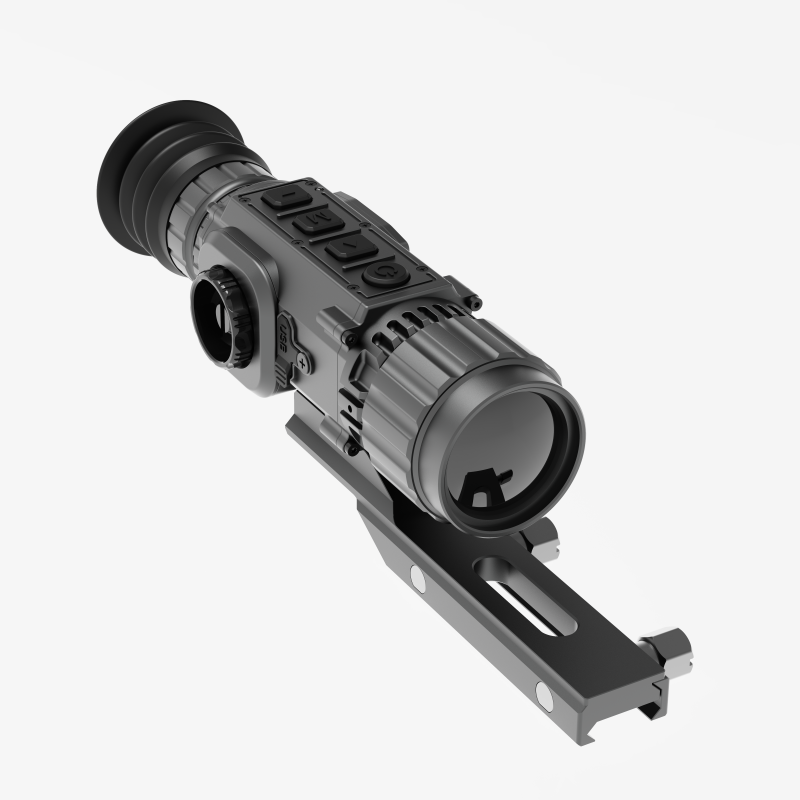
A common mistake is to assume that detector resolution alone determines detection or recognition performance.
Lens focal length has a major influence on the field of view and image scale. The FS Series, for example, can be configured with focal lengths including 19mm, 25mm, 35mm and 50mm depending on the model.
A 640×512 sensor paired with a particular lens can therefore provide a very different viewing experience from another 640×512 sensor paired with a different lens.
NETD, image processing and display technology also affect perceived image quality.
Choosing Resolution for Different Product Positions
A distributor developing a thermal imaging product portfolio may consider multiple resolutions rather than a single universal specification.
A 256×192 product can support a compact and accessible product position. A 384×288 product can offer an intermediate configuration, while 640×512 can be used for products positioned around higher image detail and more demanding observation requirements.
This approach allows a brand to build several price and performance levels around a common thermal imaging technology platform.
Resolution and B2B Sourcing
OEM buyers should communicate their intended application before selecting the detector. Important questions include:
What observation distance is required?
What field of view is preferred?
Is the product handheld or fixed?
What lens focal length is needed?
Is laser ranging required?
Is video recording required?
Does the product need WiFi?
What environmental protection is required?
These questions can prevent a buyer from choosing a detector specification that does not match the complete system.
Conclusion
256×192, 384×288 and 640×512 are three important thermal detector configurations represented in the Ferolix product range. Each can support a different product concept.
For professional buyers, the most useful comparison is not simply “which resolution is highest,” but which detector, lens, display and integrated functions together match the intended application.
Comment
(0)