


News Center
News Center


Thermal Imaging Explained: How Infrared Technology Works in Real-World Applications
2026-09-29 09:36:12
Understanding the Basic Principle of thermal imaging
Thermal imaging is an imaging technology based on infrared radiation rather than ordinary visible light. Every object emits infrared energy, and the amount of energy detected by a thermal sensor varies according to the object's surface temperature and material characteristics. A thermal imaging device captures this infrared information and processes it into an image that users can view through an electronic display.
This principle gives thermal imaging an important role in situations where conventional optical observation may not provide enough information. Darkness, reduced illumination and certain weather conditions can make visible-light observation more difficult. Thermal imaging provides another information channel by detecting infrared radiation emitted by objects.
Modern thermal imaging products are no longer limited to basic infrared cameras. Depending on the platform, a thermal imaging device can combine infrared imaging with visible-light imaging, laser ranging, positioning, digital compass functions, video recording and wireless transmission.
Ferolix thermal imaging products illustrate this development across several product categories. The FX Series, for example, is designed as a compact handheld infrared monocular. It uses an uncooled microbolometer and is available with 256×192, 384×288 and 640×512 resolutions. Optional laser ranging, WiFi, image capture and video recording expand the functionality of the handheld platform.
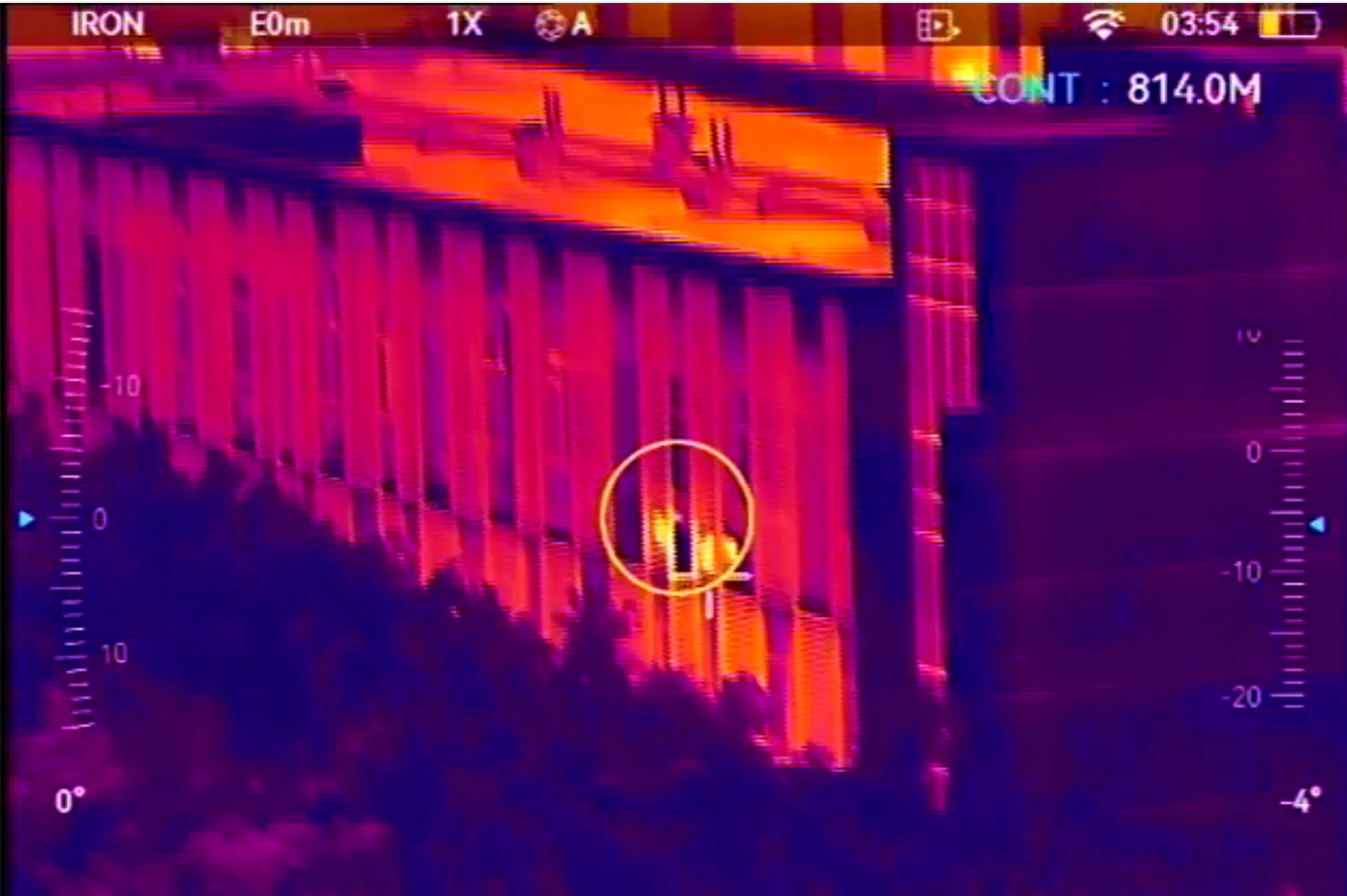
Thermal Sensors and Resolution
One of the most important specifications when evaluating a thermal imager is detector resolution. In the Ferolix FX Series, three detector resolutions are available: 256×192, 384×288 and 640×512.
Resolution describes the number of thermal pixels used to form the image. Higher resolution provides more pixels for representing the observed scene, which can be particularly useful when the application requires more image detail.
However, resolution should not be considered independently. Lens focal length, field of view, sensor pitch, image processing and the intended observation distance all influence the final viewing experience.
For this reason, professional buyers should evaluate the entire optical and electronic configuration instead of selecting a thermal device based on resolution alone.
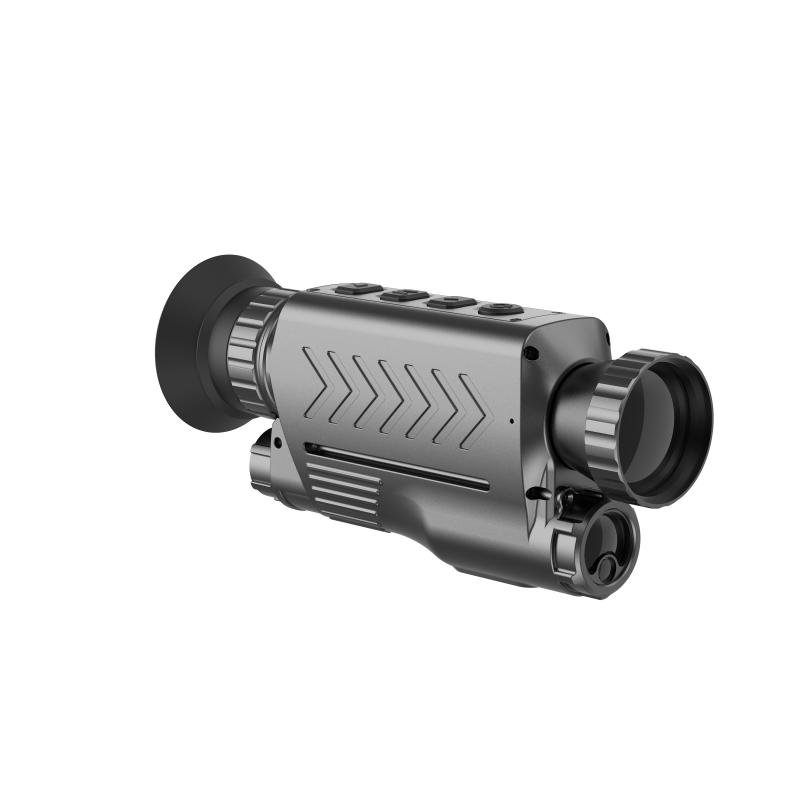
The Role of Lens Selection
The lens determines how infrared energy from the scene reaches the detector. A shorter focal-length lens generally provides a wider field of view, while a longer focal-length lens can provide a narrower view suitable for more distant observation.
The Ferolix FX Series provides multiple lens options depending on the detector configuration. The FS Series also offers different focal-length configurations, including 19mm, 25mm, 35mm and 50mm options across different models.
This flexibility allows distributors and product developers to match a thermal imaging platform to different application requirements.
From Imaging to Distance Measurement
Thermal imaging can also be integrated with laser ranging. The FX Series supports an optional Laser Rangefinder with a maximum stated range of 1km, while the FS Series also provides an optional laser rangefinder configuration.
Combining imaging and ranging means the user can observe a target and obtain distance information using the same device platform. This can be useful for applications where visual observation and distance measurement need to be performed together.
Beyond Standalone Thermal Cameras
More advanced thermal platforms integrate several sensors. The FP68-U, for example, combines infrared imaging, visible imaging, laser ranging, positioning and orientation functions. Its thermal detector has a 640×512 resolution with a 12μm pitch and a stated NETD of ≤25mK.
The FP8-U takes the concept further by combining thermal imaging, low-light imaging and visible imaging in one multispectral observation binocular. It also incorporates ranging, positioning, digital compass, recording and WiFi functions.
These products demonstrate the transition from simple thermal cameras toward integrated electro-optical observation systems.
Thermal Imaging for B2B Product Development
For international distributors and brand owners, thermal imaging offers opportunities across different product categories. Compact monoculars can serve portable observation applications, while larger integrated systems can address more demanding professional requirements.
OEM and private-label buyers should consider sensor resolution, lens configuration, display, battery system, environmental protection, recording capability and optional modules before selecting a platform.
Conclusion
Thermal imaging is fundamentally an infrared sensing technology, but modern thermal imaging products combine this core technology with advanced optics, digital processing and additional sensors.
From compact FX Handheld Monoculars to multispectral and long-range platforms, Ferolix provides several configurations for different product development requirements. Understanding the relationship between detector resolution, lens selection, NETD and integrated functions is an important first step for buyers evaluating thermal imaging solutions.
Comment
(0)